

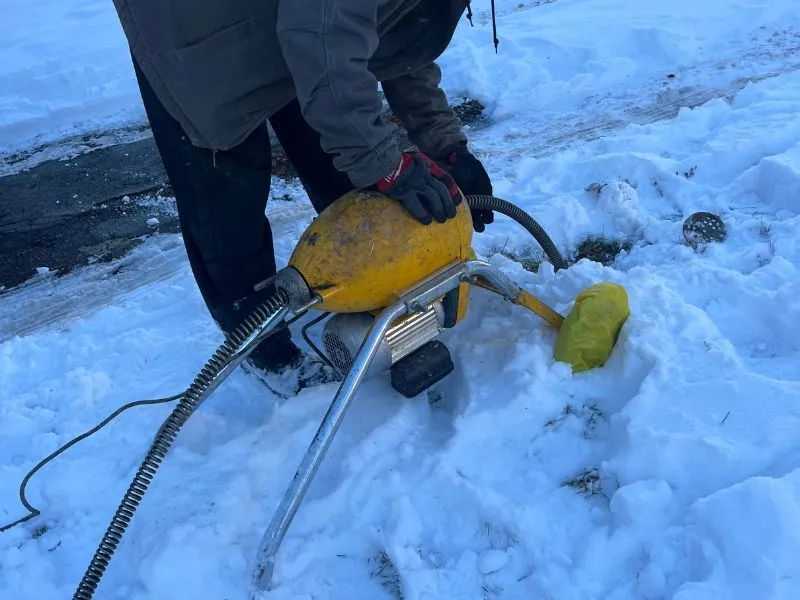
Sewer Cleaning in Buffalo, NY
Sewage backing up, multiple drains clogging, or water coming up through a basement floor drain? We'll identify what's causing the problem, explain your options, and help get your sewer flowing again.
BUFFALO, NY | SEWER CLEANING
Sewer Cleaning in Buffalo, NY
Sewage backing up, multiple drains clogging, or water coming up through a basement floor drain? We'll identify what's causing the problem, explain your options, and help get your sewer flowing again.
Sewer Problems Don't Fix Themselves
A blocked sewer line can affect your entire home. Sewage may back up through basement floor drains, toilets may stop flushing properly, or several fixtures may have drainage problems at once. WorryFree helps identify what's happening in your sewer system, explains your options, and recommends the appropriate solution.
Sewage Backups
Wastewater coming up through a basement floor drain, toilet, or other fixture? A blockage in the main sewer line may be preventing wastewater from leaving your home.
Multiple Drains Backing Up
When a drainpipe becomes blocked, wastewater backs up and comes out through the lowest available opening upstream of the blockage. This can happen anywhere in your home's drainage system, from an individual sink to the sewer line leaving your house.
Recurring Sewer Blockages
Does your sewer keep clogging after it's been cleaned? Tree roots, bellies (low spots in the pipe), or collapsed sections restrict flow and cause recurring problems.
Gurgling Toilets & Drains
Bubbling or gurgling when other fixtures drain can indicate restricted flow or a venting problem that needs investigation.
Tree Root Intrusion
Tree roots enter sewer pipes through joints or cracks. A sewer snake can open a passage through the roots, but it cannot remove every root. Toilet paper and waste can catch on the remaining roots, causing the sewer to back up again.
Damaged or Aging Sewer Lines
Older sewer pipes may develop cracks, offsets, corrosion, or collapsed sections that interfere with proper drainage.
The WorryFree Way: Smart Solutions. Working Together.
When your sewer system stops working properly, you deserve to understand what's causing the problem, what it will take to correct it, and what it will cost. We explain what we find, walk you through your options, and help you make an informed decision about the right solution for your home.
Understand
You know your sewer isn't working properly, but you may not know why. Your concerns are heard, and the problem is investigated so you can understand what's happening in your home.
Educate
You learn what's causing your sewer problems, why the blockage occurred, and what it could mean for your home's drainage system.
Recommend
You understand your options, whether that's cleaning, further inspection, or repair, along with the costs and considerations before making a decision.
Solve
Your sewer is flowing again whenever the blockage can be cleared, and you understand any remaining concerns that could cause future problems.
How WorryFree Gets Your Sewer Flowing Again
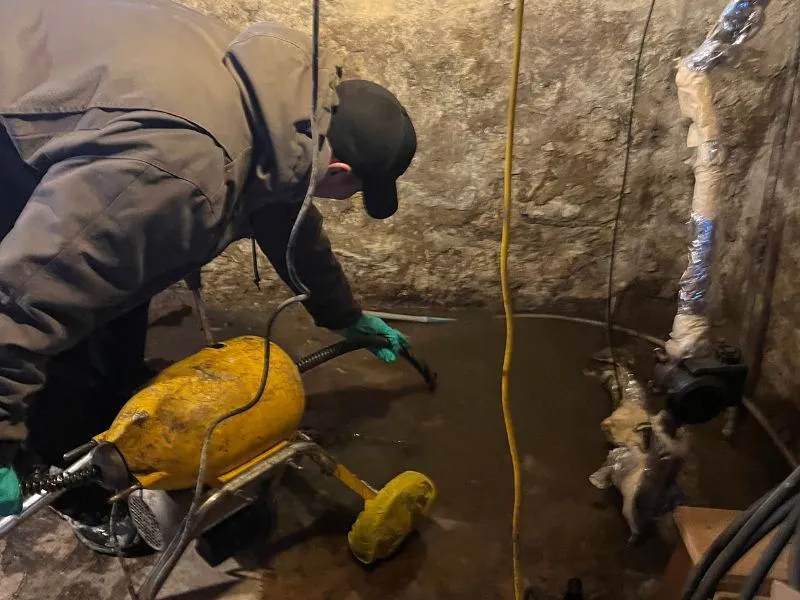
The Problem
We listen to what's happening in your home, identify which fixtures are affected, and investigate where the sewer blockage may be located. Understanding the symptoms helps us determine the appropriate next steps.
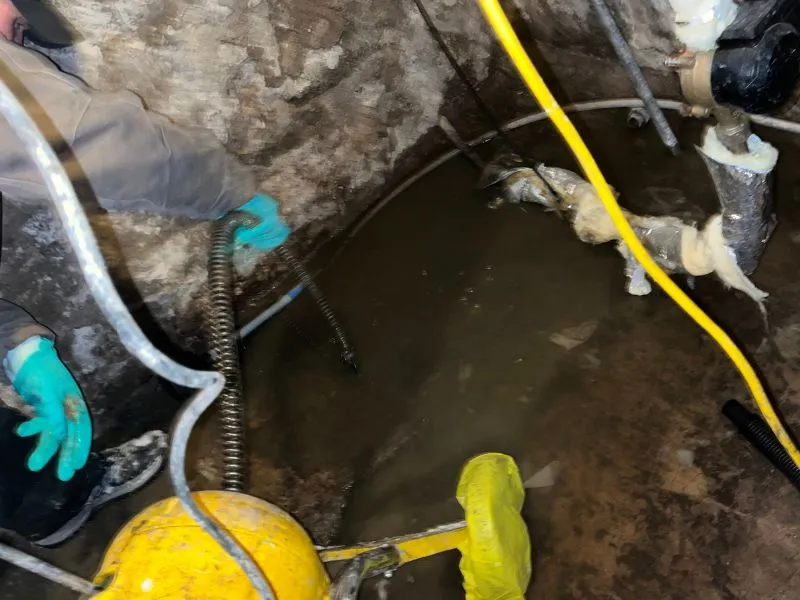
The Solution
Depending on the condition of your sewer line, professional cleaning equipment may be able to clear the blockage and restore flow. If the pipe is severely damaged, collapsed, or cannot be cleared, repairs or replacement may be necessary. We'll explain what we find and discuss your options.
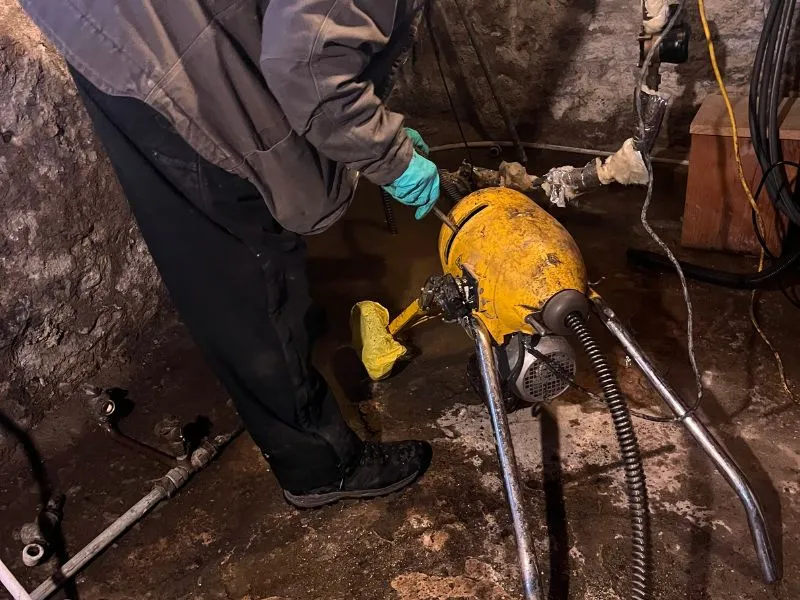
The Result
When cleaning is successful, we verify that wastewater is flowing again. However, restoring flow doesn't necessarily mean the underlying problem has been corrected. If we suspect roots, damaged piping, or another condition, we may recommend a sewer camera inspection to better understand what's happening inside the pipe. In some cases, repairs or replacement are necessary.
Why Sewer Get Blocked - and How to Prevent It
Understanding what causes sewer blockages can help you recognize warning signs before wastewater backs up into your home. From tree roots and grease buildup to aging or damaged pipes, we'll explain common causes, what you can do to reduce the risk, and when professional attention is needed.
Tree Root Intrusion
Tree roots enter sewer pipes through joints and cracks, growing inside the pipe and restricting wastewater flow. Sewer cleaning can open a passage, but roots remaining inside the pipe can catch toilet paper and waste, causing another blockage.
Grease & Debris Buildup
Grease, cooking oils, food waste, and other debris can accumulate inside sewer pipes, gradually restricting wastewater flow. Avoid pouring grease down drains, even when followed by hot water.
Low Spots (Bellies) in Sewer Pipes
When a section of sewer pipe sags, wastewater and solids collect in the low spot instead of flowing freely. Cleaning may temporarily restore flow, but correcting the pipe's slope generally requires repair.
Cracked, Offset, or Collapsed Pipes
Sewer pipes can crack, shift out of alignment, or collapse. These conditions restrict wastewater flow and create places where debris collects. Depending on the damage, cleaning alone may not resolve the problem, and pipe repair or replacement may be necessary.
Flushing Items that Don't Belong
Wipes, paper towels, feminine hygiene products, and other materials can become trapped inside sewer pipes. Even products labeled “flushable” can contribute to blockages. Only human waste and toilet paper should be flushed.
Recurring Sewer Blockages
If your sewer repeatedly backs up after cleaning, there may be an underlying problem such as tree roots, damaged piping, or improper slope. A sewer camera inspection can help identify the cause and determine whether additional cleaning or repair is needed.
A Clear Sewer Isn't Necessarily a Healthy Sewer
Just because wastewater is flowing again doesn't mean the underlying problem has disappeared.
Tree roots, damaged pipes, and low spots in sewer lines can remain even after a blockage has been opened. Without understanding the condition of the pipe, the blockage can return in the same location.
The WorryFree Protocol is built around a different approach: understanding your home's systems, identifying potential problems, and helping you make informed maintenance decisions before small issues become expensive emergencies.
Why WorryFree Might Be Right for You
Confidence in Who's Caring for Your Home
Your home is in experienced hands. Work with licensed professionals who respect your home, listen to your concerns, and take pride in doing the job right.
No Surprises. Just Straight Answers.
Know what needs attention, what your options are, and what the work will cost before making a decision. No pressure, just clear information.
Done Right the First Time
Feel confident that your home is being cared for properly, with thoughtful solutions and workmanship designed to last.
Frequently Asked Questions about Sewer Cleaning Services
Why does my sewer keep backing up after it's been cleaned?
Sewer cleaning removes or opens a blockage so wastewater can flow again, but it doesn't necessarily correct what caused the blockage.
Tree roots, low spots (bellies), cracked or offset pipes, and deteriorating sewer lines can all cause recurring backups. For example, a sewer snake can open a passage through tree roots, but it cannot remove every root. Toilet paper and waste can catch on the remaining roots, causing another blockage.
At WorryFree, we explain what we find. If there are signs of an underlying problem, we may recommend a sewer camera inspection to help determine whether additional cleaning, repair, or replacement is needed.
How can I tell if my sewer line blocked?
If only one sink, tub, or shower is draining slowly, the blockage may be in that fixture's drain. If several drains are having problems, toilets are gurgling, or water backs up in a basement drain when you use another fixture, the problem may be in your main sewer line.
The sewer line connecting your home to the public sewer is generally the homeowner's responsibility, although the exact point where responsibility changes depends on the municipality. Sometimes the blockage is in the public sewer main rather than your home's sewer line. WorryFree can help investigate where the problem is occurring and, when appropriate, coordinate with the local municipality to determine the next steps.
These are warning signs, not a definite diagnosis. WorryFree can investigate where the blockage is occurring and explain what needs to be done to restore proper drainage.
How much does a sewer cleaning cost?
The cost of professional sewer cleaning depends on the location and severity of the blockage, access to the sewer line, and the equipment and work required to restore flow.
Some blockages can be cleared through routine sewer cleaning. Others involve tree roots, damaged piping, or collapsed sections that require additional investigation or repair.
At WorryFree, we explain what we find, review your options, and discuss pricing before beginning the work. If we discover an underlying problem that requires additional services, we'll explain those recommendations separately so you can make an informed decision.
Ready to Get Your Sewer Flowing Again?
Tell us what's happening. We'll help you understand your options and the next step.
Not ready to schedule? Explore our drain and sewer services to learn more about your options.
Local Experts.
Here for Your Home
You deserve people who know what they're doing and care about getting it right.
Buffalo • Cheektowaga • Amherst • Williamsville • Clarence • Depew • Lancaster • Hamburg • Orchard Park
WorryFree Home Services
Done Right the First Time
Proudly serving Buffalo, Cheektowaga, Amherst, Williamsville, Clarence, Depew, Lancaster, Hamburg, Orchard Park, and surrounding Western New York communities.
@2026 WorryFree Home Services Inc. All Rights Reserved