

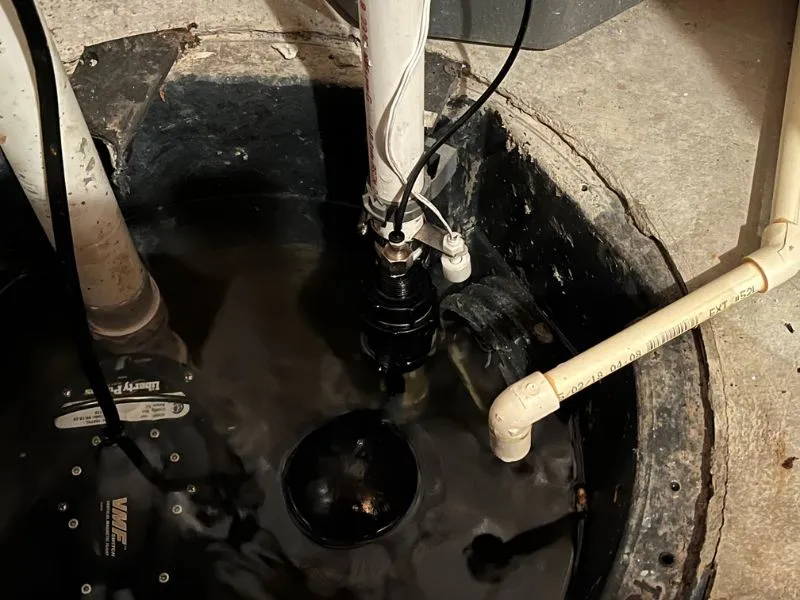
Sump Pump Repair & Maintenance in Buffalo, NY
Is your sump pump running constantly, making unusual noises, or failing to remove water from your basement? WorryFree helps Buffalo homeowners understand how their sump pumps work, identify problems, and determine when maintenance or repairs are needed.
BUFFALO, NY | SUMP PUMP REPAIR & MAINTENANCE
Sump Pump Repair & Maintenance in Buffalo, NY
Is your sump pump running constantly, making unusual noises, or failing to remove water from your basement? WorryFree helps Buffalo homeowners understand how their sump pumps work, identify problems, and determine when maintenance or repairs are needed.
When Your Sump Pump Isn't Working Properly
Your sump pump helps protect your basement by removing water that collects in the sump basin. When it stops working properly, water can accumulate and potentially damage your home. Understanding the warning signs can help you recognize when your pump needs attention.
Sump Pump Not Running
Water collecting in the basin, but the pump won't start? The problem could involve the power supply, float switch, pump motor or discharge line is full or backed up.
Pump Running Constantly
A pump that won't shut off may have a stuck float switch, a discharge problem, or more water entering the basin than it can remove.
Unusual Pump Noises
Grinding, rattling, humming or suction noises may indicate a mechanical problem, obstruction, or motor issue that needs investigation.
Water Not Pumping Out
The pump may be running without moving water properly. A blocked discharge line, damaged impeller, or failed check valve could be responsible.
Pump Turning On and Off Frequently
Frequent cycling (turning on and off) may result from float-switch problems, water flowing back into the basin, an improperly operating pump or broken discharge or storm line.
Sump Pump Maintenance Overdue
Debris, worn components, and neglected maintenance can affect pump operation. Periodic inspection and testing help identify developing problems.
The WorryFree Way: Smart Solutions. Working Together.
When your sump pump isn't working properly, you deserve to understand what's happening, why it's happening, and what your options are. We evaluate the pump and its operation, explain what we find, and help you make an informed decision about maintenance or repairs.
Understand
We listen to your concerns, inspect your sump pump system, and identify problems affecting its operation.
Educate
We explain how your sump pump works, what may be causing the problem, and what our findings mean for your home.
Recommend
We review your options, explain the recommended work and associated costs, and help you decide how to proceed.
Solve
We complete the authorized work, check the pump's operation, and explain what was done and any remaining concerns.
How WorryFree Evaluates and Repairs Your Sump Pump
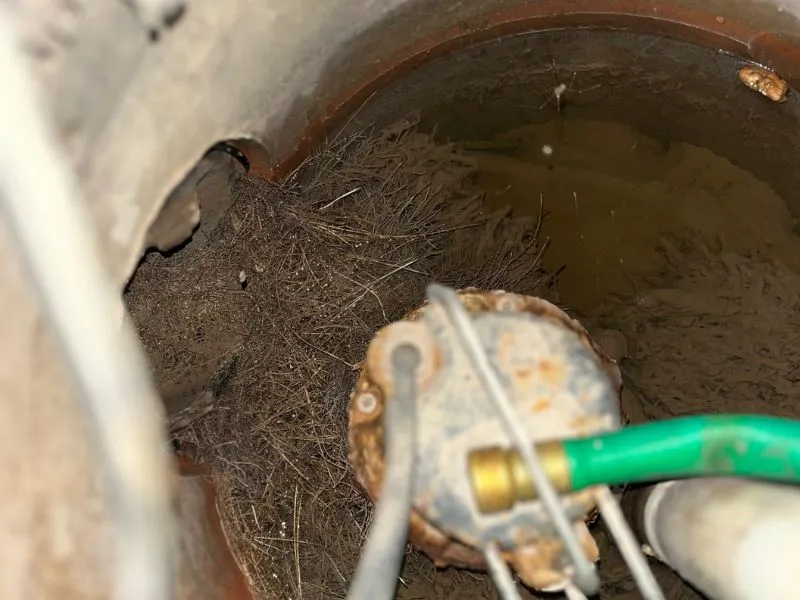
Finding The Problem
We examine the sump basin, pump, float switch, discharge piping, and other accessible components. We also inspect accessible exterior discharge connections, air gaps, and storm lines to identify blockages, disconnections, or other conditions that may prevent water from being discharged properly. We check the system's operation to help determine where the problem originates.
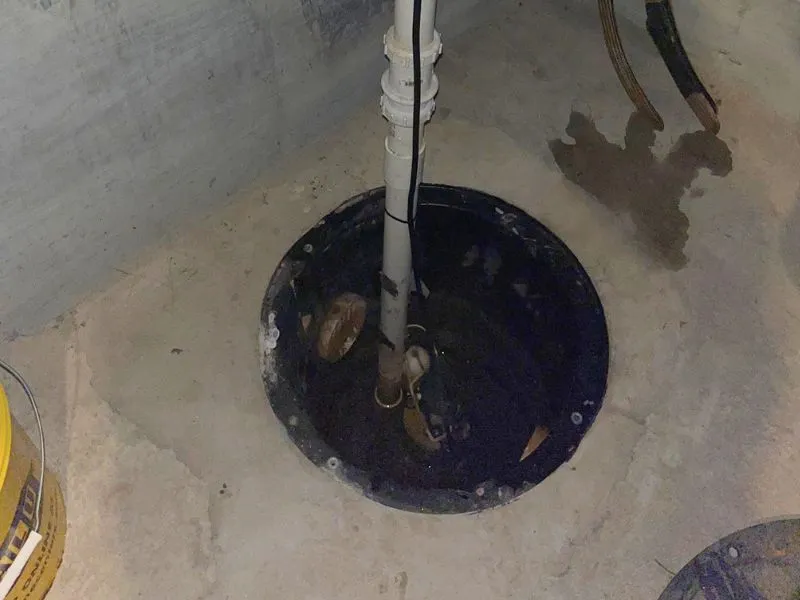
The Solution
Based on what we find, we explain the available options. Depending on the condition of the system and the work you authorize, we may clear obstructions, correct float-switch problems, repair discharge piping, or replace a pump that is no longer operating properly.
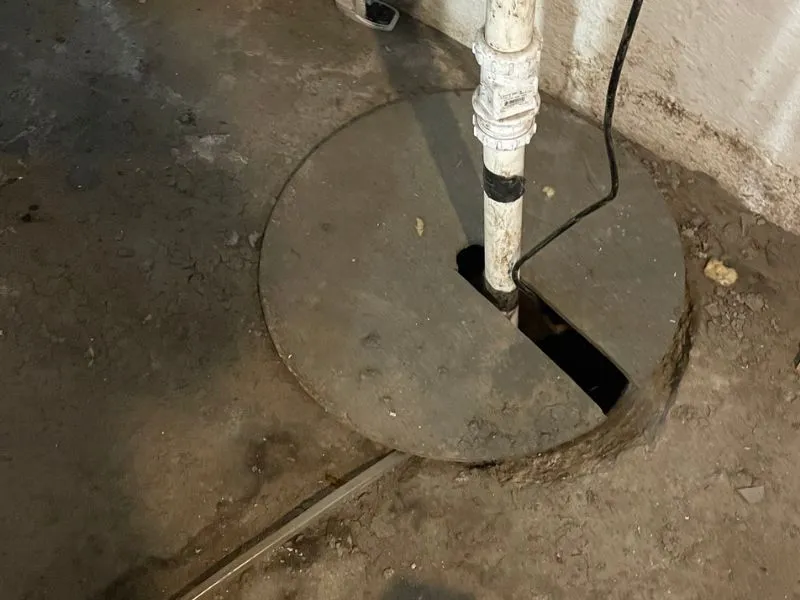
The Result
After completing the authorized work, we test the pump's operation where conditions allow, check that water is being discharged properly, and explain any remaining concerns or recommendations.
Understanding Your Sump Pump — and How to Keep It Working Properly
Your sump pump is part of a system designed to collect and move groundwater away from your home. The pump, float switch, check valve, discharge piping, and exterior drainage connections must work together. Understanding these components can help you recognize problems early and keep your system operating properly.
How a Sump Pump Works
Groundwater enters the sump basin through drainage pipes or openings around the foundation. As the water rises, the pump activates and moves it through a discharge pipe away from your home.
Float Switch & Water Levels
The float switch controls when the pump starts and stops. If it becomes stuck, obstructed, or damaged, the pump may fail to start, run continuously, or cycle too frequently.
Check Valves & Backflow
A properly installed check valve helps prevent discharged water from flowing backward into the sump basin when the pump stops. A missing, malfunctioning or incorrectly installed valve can cause repeated cycling and potentially cause your sump pump to burn out.
Discharge Pipes & Storm Lines
Your pump needs a clear path to discharge water. Blocked, frozen, disconnected, or damaged discharge piping and storm lines can cause water to back up, even when the pump itself is working. An improperly pitched line also will cause damage.
Backup Sump Pumps
A backup pump provides an additional way to remove water if the primary pump stops working. Battery or water-powered systems can also provide protection during power outages, depending on their capacity and condition.
Sump Pump Testing & Maintenance
Periodically checking the basin for debris, inspecting accessible components, and testing pump operation can help identify problems before heavy rainfall. Maintenance cannot prevent every failure, but it helps you understand whether the system is ready to operate.
Protect Your Basement with Regular Sump Pump Maintenance
Your sump pump may sit unused for weeks or months, but when heavy rain or melting snow causes groundwater to rise, you depend on it to work. Routine inspection and testing can help identify problems with the pump, float switch, check valve, and discharge system before they're needed most. Through the WorryFree Protocol, we help homeowners understand their sump pump systems, recognize developing problems, and plan for maintenance that helps protect their homes from water damage.
Why WorryFree Might Be Right for You
Confidence in Who's Caring for Your Home
Your home is in experienced hands. Work with licensed professionals who respect your home, listen to your concerns, and take pride in doing the job right.
No Surprises. Just Straight Answers.
Know what needs attention, what your options are, and what the work will cost before making a decision. No pressure, just clear information.
Done Right the First Time
Feel confident that your home is being cared for properly, with thoughtful solutions and workmanship designed to last.
Frequently Asked Questions About Sump Pump Repair & Maintenance
Why is my sump pump running but the water is not moving?
A sump pump can run without removing water if the discharge pipe or storm line is blocked, the impeller is damaged, or another component isn't operating properly. Water may also back up through an exterior connection when an underground storm line is obstructed. WorryFree evaluates the pump and accessible discharge system to help identify where the problem originates.
How often should I test or maintain my sump pump?
Your sump pump should be checked periodically, particularly before spring snowmelt and periods of heavy rainfall. Testing the float switch and pump operation, checking for debris in the basin, and inspecting accessible discharge connections can help identify problems early. A professional inspection can also evaluate the check valve, piping, and overall system operation.
How much does a sump pump repair cost?
The cost depends on the cause of the problem and the work required. A float-switch adjustment, discharge obstruction, damaged piping, or failed pump may each require a different solution. At WorryFree, we explain our findings, review the available options, and discuss the cost of recommended work before you authorize repairs.
Ready to Get Your Sump Pump Working Properly?
Tell us what's happening. We'll help you understand your options and the next step.
Not ready to schedule? Learn more about sump pumps and how your home's drainage system works.
Local Experts.
Here for Your Home
You deserve people who know what they're doing and care about getting it right.
Buffalo • Cheektowaga • Amherst • Williamsville • Clarence • Depew • Lancaster • Hamburg • Orchard Park
WorryFree Home Services
Done Right the First Time
Proudly serving Buffalo, Cheektowaga, Amherst, Williamsville, Clarence, Depew, Lancaster, Hamburg, Orchard Park, and surrounding Western New York communities.
@2026 WorryFree Home Services Inc. All Rights Reserved